
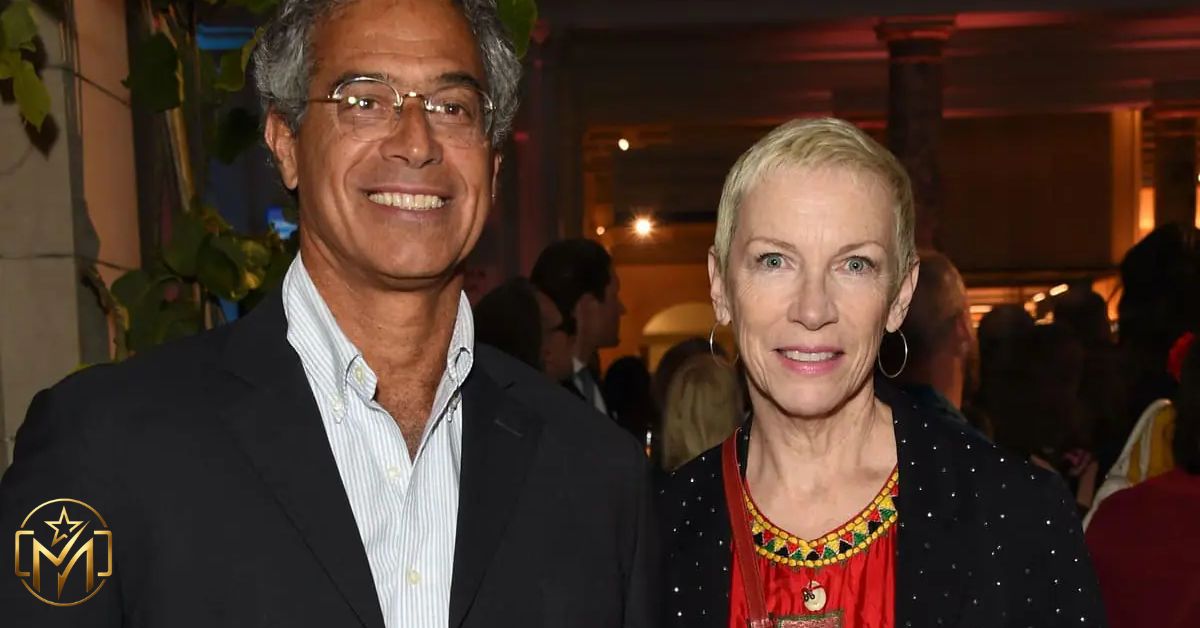
Mitchell Besser is a Harvard-trained obstetrician-gynecologist and social entrepreneur who transformed global healthcare through peer-powered support. He founded mothers2mothers in 2001 and co-founded AgeWell Global in 2014 to improve health outcomes worldwide.
This article explores Mitchell Besser’s medical career, groundbreaking organizations, major achievements, and lasting impact on global health through innovative, community-driven care.
How One Doctor Built Human-Centered Solutions That Changed HIV Prevention and Aging Care Worldwide
Mitchell Besser’s defining insight was deceptively simple: the most effective healthcare worker is sometimes not a doctor or a nurse — it is a person who has survived the same struggle the patient is currently facing.
This belief anchored every initiative he built, from HIV prevention programs in sub-Saharan Africa to aging care models in underserved communities. Where conventional medicine relied on clinical distance and institutional authority, Besser leaned into empathy, trust, and community solidarity.
His human-centered approach stood in direct contrast to top-down aid models that parachuted solutions into communities without understanding the social realities those communities lived in every day. Stigma, fear, poverty, and cultural complexity were not footnotes to be acknowledged; they were the central problems that healthcare had to address directly.
Besser’s peer-support model took those realities seriously. It placed women with HIV at the center of HIV prevention, and older adults at the center of aging care — a design philosophy that was as ethically sound as it was medically effective.
The impact of this philosophy has been staggering. mothers2mothers has reached over one million women and children across nine African countries. Treatment adherence improved. Mother-to-child HIV transmission rates dropped.
Women who were once afraid to enter a clinic found confidence through a mentor who looked like them and had walked the same path. That is not a coincidence. It is the deliberate outcome of a model designed with people, not just for people.
Early Medical Training and Professional Foundations
Mitchell Besser was born on June 9, 1954, in the United States, into a family where service, science, and social responsibility were core values. His brother Richard Besser went on to serve as acting director of the U.S.
Centers for Disease Control and Prevention (CDC), later becoming president and CEO of the Robert Wood Johnson Foundation — a fact that reflects the family’s deep commitment to public health at the highest levels.

Mitchell completed his undergraduate studies at Williams College before earning his medical degree from Harvard Medical School, one of the world’s most prestigious institutions. His specialty in obstetrics and gynecology shaped his understanding of maternal and child health in ways that would later define his entire career. He was not simply training to deliver babies; he was learning to understand the full biological, social, and emotional arc of a woman’s health experience.
After completing his training, Besser took a position that would change everything. In 1999, he joined the Department of Obstetrics and Gynecology at the University of Cape Town in South Africa, where he was tasked with helping develop services for pregnant women living with HIV to prevent mother-to-child transmission (PMTCT) of the virus.
What he witnessed at Groote Schuur Hospital did not just inform his next career move — it fundamentally reordered his understanding of what healthcare is supposed to do and who it is supposed to serve.
Mitchell Besser and the Birth of mothers2mothers
The founding of mothers2mothers is one of global health’s most compelling origin stories. While working at Groote Schuur Hospital in Cape Town, Mitchell Besser noticed something deeply troubling. Effective antiretroviral treatments to reduce HIV transmission during pregnancy already existed, yet many HIV-positive women were not benefiting from them.
The barrier was not medical — it was human. Women who tested positive for HIV were too frightened to return to clinics for treatment. Stigma, fear, isolation, and distrust kept them away from the very services that could save their lives and protect their children.
This observation forced Besser to rethink the entire model. In 2001, he founded mothers2mothers with a straightforward but revolutionary premise: hire HIV-positive mothers, train them as “Mentor Mothers,” and deploy them to support other HIV-positive pregnant women within the same communities and clinics.
These Mentor Mothers were not volunteers — they were paid healthcare workers whose chief qualification was their own lived experience navigating HIV diagnosis, treatment, and motherhood.
The early days were humble by any measure. Besser ran the program from the trunk of his car, working from a single site at Groote Schuur Hospital with minimal funding and enormous uncertainty. He believed in the women.
The women believed in each other. And that belief, structured and supported by proper training, began to produce real results almost immediately. Women who had refused treatment started returning to clinics. Adherence rates climbed. Stigma began to erode where Mentor Mothers created space for honest conversation. The Mentor Mother model had proven itself.
| Key Feature | Traditional Healthcare Model | mothers2mothers Mentor Model |
|---|---|---|
| Primary support worker | Doctor or nurse | Trained HIV-positive mother |
| Core resource | Clinical knowledge | Lived experience |
| Engagement driver | Medical authority | Peer trust and empathy |
| Barrier addressed | Medical access | Social stigma and fear |
| Employment impact | None for community | Direct income for women with HIV |
How Mothers2Mothers Scaled Across Africa
What began at a single hospital in Cape Town grew into one of the most recognized community-based healthcare organizations in the world. Under Mitchell Besser’s leadership, mothers2mothers expanded from one site to over 700 service delivery points across sub-Saharan Africa within its first decade.
The organization partnered with governments, ministries of health, international donors, and NGOs to integrate Mentor Mothers into national healthcare frameworks rather than operating as a parallel system.
The scaling strategy was intentional and replicable. Rather than imposing a rigid external model, m2m worked within existing health infrastructure, embedding Mentor Mothers into clinics, hospitals, and community centers that were already serving HIV-positive women. This approach reduced friction, increased sustainability, and allowed governments to take ownership of the program as part of their national PMTCT strategies.
Countries where mothers2mothers has operated include South Africa, Kenya, Uganda, Tanzania, Malawi, Mozambique, Lesotho, Swaziland, and Zambia. The organization has employed thousands of women living with HIV, transforming them from patients into paid healthcare professionals. This dual impact — improving health outcomes while creating economic empowerment — is what distinguishes m2m from conventional aid programs.
A key metric shared by m2m demonstrates the depth of its reach: mothers2mothers has cared for more than 15 million mothers and children since its founding. The organization also achieved a documented reduction of mother-to-child HIV transmission to 2.1% among program participants, a figure that reflects both the clinical strength of antiretroviral therapy and the critical role of peer support in ensuring women access and adhere to that therapy.
Mitchell Besser’s Broader Vision for Social Innovation

Mitchell Besser’s success with mothers2mothers taught him something broader than HIV prevention — it taught him that the peer-support model is a universal healthcare technology. The mechanism of connecting people who share a lived experience to provide mutual support, education, and encouragement is not specific to HIV or to mothers. It is a framework for human health at every stage of life. Read More
This realization led Besser to co-found AgeWell Global in 2014. AgeWell applies the same core principle as m2m: identify a population facing barriers to health and well-being, recruit peer workers from within that population, train and compensate them professionally, and deploy them to support others facing the same challenges.
In AgeWell’s case, the population is older adults — a demographic dealing with social isolation, chronic disease, limited mobility, and a healthcare system that frequently treats aging as a medical problem rather than a human experience.
AgeWell Global trains active older adults to serve as peer companions for less mobile or more isolated seniors. They provide companionship, basic health monitoring, guidance on navigating services, and the simple but powerful gift of consistent human connection. The program launched in South Africa and has since expanded to the United States, with technology-enabled features that extend the reach of peer companions across communities.
The parallel between m2m and AgeWell is deliberate and instructive:
- mothers2mothers addresses the vulnerability of HIV-positive pregnant women through peer-powered maternal care
- AgeWell Global addresses the vulnerability of isolated older adults through peer-powered aging care
- Both models employ people from within the target population
- Both create dual impact: improving health outcomes and generating employment
- Both challenge the assumption that formal clinical workers are the only legitimate healthcare providers
Besser’s broader social innovation vision has influenced public health advocates, social entrepreneurs, and global health organizations who study his work as a blueprint for scalable, community-owned health solutions.
Recognition and Global Influence
Mitchell Besser’s contributions to global health have been formally recognized by some of the world’s most respected institutions. These awards reflect not only his personal achievement but the validated impact of models that were once met with skepticism by mainstream healthcare authorities.
Major Awards and Honors:
- Skoll Award for Social Entrepreneurship — one of the most prestigious honors in humanitarian work, awarded by the Skoll Foundation which celebrates social entrepreneurs driving large-scale change
- U.S. Presidential Citizens Medal — awarded by the United States Government in recognition of Besser’s exceptional service to the world
- Global Health Council’s Best Practice Award — recognizing mothers2mothers as a model of excellence in community-based healthcare
- Doctor of Science in Medicine (honoris causa) — conferred by the University of Cape Town in 2023, the institution’s highest honor, presented to individuals who have played a pivotal role in the development of society at large
The UCT honorary doctorate carried particular meaning. It was at UCT that Besser first witnessed the fear and stigma that kept HIV-positive women from seeking treatment. Receiving the university’s highest honor at that same institution decades later was a recognition of a journey that had begun in its maternity wards and extended across an entire continent.
Beyond formal awards, Besser’s influence is felt in the global health policy conversations that increasingly center community health workers and peer-support models as cost-effective, culturally competent solutions.
The World Health Organization and major bilateral health funders have studied the m2m model as a framework for designing participatory health systems in low-resource settings.
Personal Life and Shared Activism
Mitchell Besser is a private person by nature, someone who has consistently preferred action to attention throughout his career. Even as mothers2mothers grew into an internationally recognized organization, Besser maintained a deliberate distance from celebrity culture, focusing his public presence on the work rather than on himself.
His personal life came under greater public scrutiny when he married legendary singer-songwriter Annie Lennox on September 15, 2012, in a private ceremony on a boat along the River Thames in London. Lennox had first connected with Besser in 2009 when she became involved with mothers2mothers as a humanitarian advocate.
Their shared commitment to HIV activism, gender equity, and global health drew them together, and their partnership has deepened both their personal and public advocacy.
Lennox, herself a long-standing HIV/AIDS activist and UNAIDS Goodwill Ambassador, has used her global platform to amplify the work of mothers2mothers and other causes Besser has championed. She has organized fundraising events, spoken at international HIV conferences, and helped raise the global profile of m2m significantly through her celebrity network.
Besser has two sons, Sam and Max, from his previous marriage. He is the brother of Richard Besser, the former acting CDC director. Family, for Besser, has always reflected the same values that animate his professional work — service, integrity, fairness, and responsibility.
Those are not abstract principles; they are lived daily commitments that colleagues, friends, and family members consistently describe when asked about the man behind the model.
Mitchell Besser’s Lasting Legacy in Global Health
The legacy of Mitchell Besser in global health is measured not in awards or headlines but in the millions of mothers who received care, the thousands of children who were born HIV-free because of Mentor Mothers, the thousands of women who found employment, dignity, and purpose through m2m, and the older adults across continents who found companionship through AgeWell.
His deeper legacy is methodological. He demonstrated that the healthcare system’s most underutilized resource is the lived experience of the people it serves. He showed that when trust is the mechanism of care delivery rather than just an aspiration, outcomes improve in ways that clinical interventions alone cannot achieve.
He proved that social entrepreneurship — the application of business discipline to social purpose — can produce durable, scalable solutions to complex health problems without sacrificing human dignity.
The Mentor Mother model has become a reference point in global health literature, public health training programs, and international development policy. It is studied at universities, replicated in humanitarian programs, and cited by health ministries as evidence that community-driven care works. That intellectual legacy is as significant as the direct impact of m2m itself.
Mitchell Besser also modeled a form of medical leadership that the world urgently needs more of — humble, evidence-driven, community-centered, and willing to question institutional assumptions in service of better outcomes. In a global health landscape still too often dominated by top-down interventions and external expertise, his career stands as a quiet but powerful argument for trusting communities with their own health.
Conclusion
Mitchell Besser redefined what it means to practice global health. Through mothers2mothers and AgeWell Global, he built peer-powered systems that treated communities as the source of solutions rather than the recipients of charity. His peer support model — placing trained people with lived experience at the center of care — has prevented hundreds of thousands of pediatric HIV infections, employed thousands of women living with HIV, and inspired a generation of social entrepreneurs in healthcare.
As a physician, innovator, and humanitarian, Mitchell Besser’s life and work demonstrate that the most effective medicine is often rooted not in clinical distance but in human connection. His legacy endures in every mother who found the courage to seek treatment, every child born HIV-free, and every older adult who found companionship when they needed it most.
FAQs
Who is Mitchell Besser?
Mitchell Besser is an American obstetrician-gynecologist, social entrepreneur, and global health advocate best known for founding mothers2mothers (m2m), a nonprofit organization that uses peer support to prevent mother-to-child transmission of HIV across sub-Saharan Africa.
What is mothers2mothers and how does it work?
mothers2mothers is a nonprofit founded in 2001 that employs HIV-positive women as trained “Mentor Mothers” who provide peer education, emotional support, and treatment guidance to other HIV-positive pregnant women and new mothers, improving treatment adherence and reducing pediatric HIV infections.
Where did Mitchell Besser train as a physician?
Mitchell Besser completed his undergraduate education at Williams College and earned his medical degree from Harvard Medical School. He later joined the University of Cape Town’s Department of Obstetrics and Gynecology in 1999, where he founded mothers2mothers.
What awards has Mitchell Besser received for his global health work?
Besser and mothers2mothers have received the Skoll Award for Social Entrepreneurship, the U.S. Presidential Citizens Medal, the Global Health Council’s Best Practice Award, and an honorary Doctor of Science in Medicine from the University of Cape Town in 2023.
What is AgeWell Global and how does it relate to mothers2mothers?
AgeWell Global is a social enterprise co-founded by Besser in 2014 that adapts the peer-support model of mothers2mothers to serve older adults. It trains active seniors to provide companionship and health monitoring to more isolated elderly individuals, addressing loneliness and promoting healthy aging.
How many countries does mothers2mothers operate in?
mothers2mothers operates across nine countries in sub-Saharan Africa, including South Africa, Kenya, Uganda, Tanzania, Malawi, Mozambique, Lesotho, Swaziland, and Zambia, with operations at hundreds of healthcare facilities across the region.
Is Mitchell Besser married to Annie Lennox?
Yes, Mitchell Besser married singer-songwriter and humanitarian Annie Lennox on September 15, 2012, in a private ceremony in London. The two met in 2009 when Lennox became involved with mothers2mothers as an HIV activist and advocate.
What is the Mentor Mother model created by Mitchell Besser?
The Mentor Mother model is a peer-support framework in which women living with HIV are trained and employed to educate, counsel, and support other HIV-positive pregnant women. The model addresses stigma and fear that prevent women from accessing treatment, making it effective where clinical interventions alone fall short.
How has Mitchell Besser influenced global health policy?
Besser’s work has influenced WHO guidelines, national HIV prevention strategies across Africa, and international development funding priorities. The mothers2mothers model is widely studied as a blueprint for community-based, peer-led healthcare in low-resource settings.
What is the broader impact of mothers2mothers on HIV prevention?
Since its founding, mothers2mothers has provided care for over 15 million mothers and children and achieved a documented mother-to-child HIV transmission rate of 2.1% among program participants, while employing thousands of women living with HIV across sub-Saharan Africa.
William is a dedicated content writer and celebrity blog specialist with 5 years of experience in producing engaging, accurate, and SEO-friendly content. He excels at researching celebrity biographies, entertainment news, and public figures, transforming complex information into easy-to-read articles. His commitment to quality, originality, and reader-focused storytelling helps deliver trusted and informative content to audiences worldwide.