
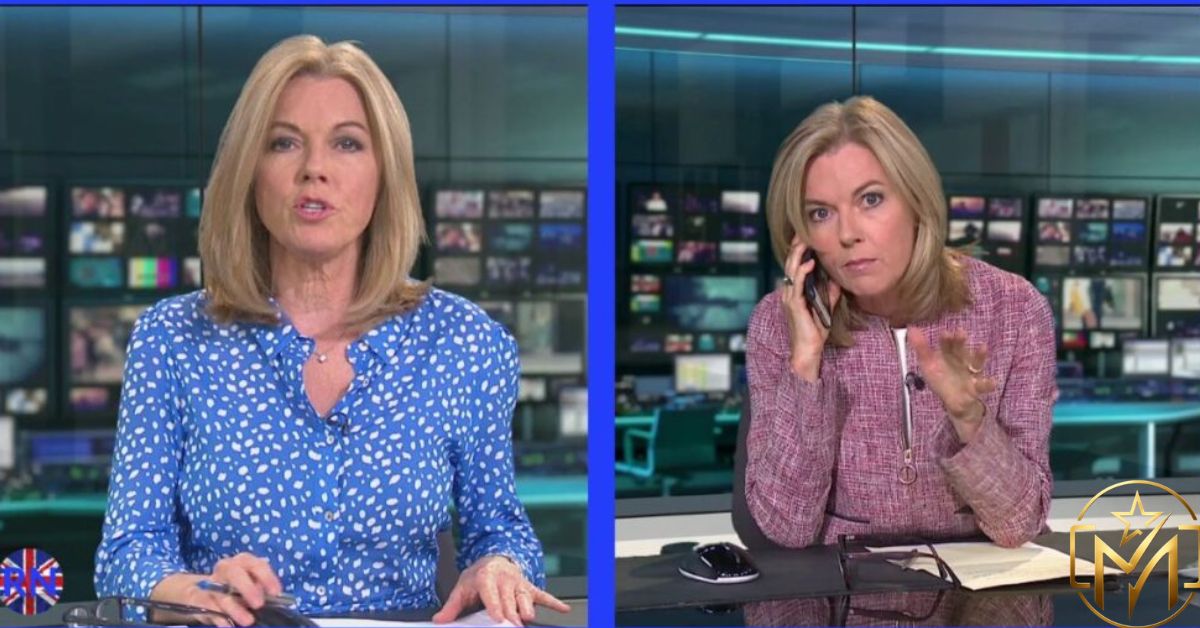
Introduction
The topic of Mary Nightingale illness has attracted significant attention in recent years, leading many viewers to wonder whether the respected ITV presenter faced a serious health condition. As one of Britain’s most trusted journalists, any change in her appearance, voice, or broadcasting schedule quickly becomes a topic of public discussion.
This article provides a clear, factual, and balanced look at what is actually known about Mary Nightingale’s health. You’ll learn what sparked public concern, what information has been confirmed, how she handled public scrutiny, and why her professionalism continues to earn admiration across the United Kingdom.
Mary Nightingale: A Career Built on Trust and Professionalism
Mary Nightingale has become one of the most recognizable figures in British television journalism. Born on May 26, 1963, she built a distinguished career through dedication, credibility, and journalistic excellence. She has served as the anchor of ITV Evening News since 2001, becoming a familiar and trusted presence in millions of homes.
Quick Bio
| Information | Details |
| Full Name | Mary Louise Nightingale |
| Date of Birth | May 26, 1963 |
| Birthplace | Scarborough, England |
| Profession | Journalist and Television Presenter |
| Employer | ITV News |
| Notable Role | ITV Evening News Anchor |
| Years Active | 1990–Present |
| Education | Bedford College, University of London |
| Marital Status | Married |
| Children | Two |
Throughout her career, Nightingale has covered major national and international events, including elections, royal occasions, and significant global developments. Her calm delivery and balanced reporting style have helped establish her reputation as one of Britain’s most respected broadcasters.
Unlike many television personalities, she has largely avoided celebrity culture, choosing instead to focus on journalism. This commitment to professionalism has strengthened public trust and contributed to her long-standing success.
Her reputation for accuracy and composure explains why concerns about her health attracted so much attention whenever rumors emerged online.
What Sparked Public Concern About Mary Nightingale’s Illness
Public concern regarding Mary Nightingale’s health did not arise from a single event. Instead, it developed gradually through a combination of viewer observations, online speculation, and misinformation circulating on the internet.
Many viewers noticed occasional changes in her voice during broadcasts. Others became concerned when she was absent from ITV programming for short periods. In the age of social media, even routine scheduling changes can quickly become the subject of speculation.
Several factors contributed to the rumors:
- Temporary absences from broadcasts
- Occasional vocal strain during live news presentations
- Misleading online articles
- Social media discussions lacking credible sources
- Confusion created by AI-generated content and deepfakes
The situation intensified when internet searches related to “Mary Nightingale illness” began trending. As more people searched for information, additional websites published articles attempting to explain the rumors, often without verified evidence.
This cycle demonstrates how easily public concern can grow when limited factual information is available and speculation fills the gap.
The Confirmed Diagnosis and Medical Reality
When examining the facts, it is important to distinguish between confirmed information and unverified claims. Publicly available reports indicate that Mary Nightingale experienced voice-related strain during her broadcasting career. This condition affected her vocal performance but was neither life-threatening nor career-ending.
What Is Confirmed?
| Claim | Status |
| Voice strain or vocal difficulties | Confirmed |
| Cancer diagnosis | Not confirmed |
| Serious chronic illness | Not confirmed |
| Retirement due to health reasons | False |
| Ongoing ITV broadcasting role | Confirmed |
Voice strain is not unusual among professional broadcasters. News presenters depend heavily on vocal endurance, and years of live broadcasting can place considerable stress on the vocal cords.
Reports suggest that Nightingale managed the issue through professional medical advice, vocal care techniques, rest, and adjustments to her routine. She successfully returned to her usual broadcasting responsibilities and continued presenting major news programs.
No credible source has confirmed claims that she suffers from cancer or another major illness. Therefore, such rumors should be treated with caution.
Handling Illness with Dignity and Privacy
One of the most notable aspects of the Mary Nightingale illness discussion is the way she handled public curiosity. Rather than publicly discussing personal medical details, she maintained the privacy that has characterized much of her career.
Many public figures choose to share every aspect of their personal lives. Nightingale has taken a different approach, focusing on her work rather than responding to speculation. This decision aligns with her long-standing reputation for professionalism.

Privacy is an important consideration when discussing the health of public figures. While audiences may feel connected to familiar television personalities, journalists are entitled to personal boundaries just like anyone else.
Her approach offers a valuable reminder that public interest does not automatically create an obligation for full personal disclosure. By continuing to perform her role effectively, she allowed her work to speak louder than rumors.
This measured response helped prevent speculation from overshadowing her journalistic achievements.
Return to ITV Evening News and Public Reaction
Following periods of public speculation, Mary Nightingale continued appearing on ITV Evening News, reassuring viewers through her ongoing presence on screen. Her return generated positive reactions from audiences who admired her professionalism and resilience.
Many viewers expressed support through:
- Social media comments
- Viewer feedback
- Online discussion forums
- Public appreciation for her journalism
The response demonstrated the strong connection she has built with audiences over more than two decades. Viewers often described her as reliable, calm, and trustworthy.
Her continued role at ITV effectively addressed many concerns about her health. Rather than issuing dramatic statements, she simply continued doing what she does best: delivering the news.
The positive reaction reinforced her status as one of Britain’s most respected broadcasters and highlighted the affection many viewers feel toward familiar news presenters. Read More
Debunking Myths and Online Rumours
The internet has played a major role in spreading misinformation about Mary Nightingale’s health. Several false claims have circulated online despite lacking credible evidence.
Common Rumors vs. Facts
| Rumor | Reality |
| Mary Nightingale has cancer | No verified evidence |
| She retired due to illness | False |
| ITV released a major health statement | No confirmed statement |
| She suffers from a chronic condition | Unconfirmed |
| She remains active on ITV | Confirmed |
One significant factor contributing to confusion was the rise of AI-generated content and deepfake technology. In 2024, Nightingale became the victim of a deepfake video, highlighting how easily misinformation can spread online.
Lessons for readers include:
- Verify information through reputable news organizations.
- Avoid relying solely on social media claims.
- Distinguish between speculation and confirmed reporting.
- Consider the credibility of sources before sharing information.
Understanding these principles helps prevent the spread of inaccurate health rumors.
Broader Lessons from Mary Nightingale’s Illness
The discussion surrounding Mary Nightingale’s health offers several broader lessons that extend beyond one individual.
1. The Pressure of Public Life
Public figures often face intense scrutiny regarding their appearance, behavior, and health. Small changes can quickly become major discussion topics.
2. The Importance of Media Literacy
Audiences must learn to evaluate information critically. Not every online article or social media post is accurate.
3. Respect for Privacy
Health matters remain deeply personal. Public curiosity should be balanced with respect for individual privacy.
4. Professional Resilience
Nightingale’s continued success demonstrates the value of perseverance and professionalism, even when facing public speculation.
5. Trustworthy Journalism Matters
Reliable reporting helps counter misinformation and provides audiences with accurate context.
These lessons are increasingly important in a digital world where rumors often spread faster than facts.
The Ongoing Impact on Her Public Image
Interestingly, the health rumors have had little negative impact on Mary Nightingale’s professional reputation. If anything, public interest has reinforced her position as one of Britain’s most respected journalists.
Several factors explain this outcome:
- Long-standing credibility
- Consistent on-air performance
- Professional conduct
- Public trust built over decades
- Lack of verified negative information
Viewers continue to associate Nightingale with reliability and journalistic integrity. Her ability to remain focused on her work rather than engaging with speculation has strengthened that perception.
In many ways, the situation highlights the difference between celebrity culture and professional journalism. Nightingale’s reputation is built on her reporting rather than personal publicity.
As a result, she remains a respected figure whose career achievements far outweigh any temporary rumors surrounding her health.
FAQs
Is Mary Nightingale seriously ill?
There is no verified public evidence that Mary Nightingale suffers from a serious illness. She continues to work as a presenter for ITV Evening News.
Did Mary Nightingale have cancer?
No credible source has confirmed that Mary Nightingale has ever been diagnosed with cancer.
Why did people search for Mary Nightingale illness?
Searches increased due to voice changes, temporary absences, and online speculation that spread through social media and websites.
What health issue has Mary Nightingale publicly faced?
Reports indicate she experienced vocal strain related to the demands of live broadcasting.
Is Mary Nightingale still on ITV Evening News?
Yes, she continues to serve as the anchor of ITV Evening News.
Did ITV issue a statement about a major illness?
No verified ITV statement confirms any serious illness involving Mary Nightingale.
What caused the online rumors?
Rumors were fueled by public observations, misinformation, and unverified online reports.
Was Mary Nightingale involved in a deepfake controversy?
Yes. She was targeted by a deepfake video that raised concerns about online misinformation.
How long has Mary Nightingale worked for ITV?
She has presented ITV Evening News since 2001 and remains one of the network’s most recognizable journalists.
What can readers learn from this story?
The story highlights the importance of verifying information, respecting privacy, and avoiding assumptions based on online rumors.
Conclusion: A Story of Strength, Not Sensationalism
The story behind Mary Nightingale illness is ultimately far less dramatic than many online rumors suggest. While public concern emerged due to voice-related issues, brief absences, and internet speculation, there is no verified evidence of a serious illness or cancer diagnosis. Instead, the facts reveal a respected journalist who managed professional challenges with dignity, privacy, and resilience. Mary Nightingale continues to be a trusted presence on British television, demonstrating the same professionalism that has defined her career for decades. Her experience serves as an important reminder that facts matter, rumors should be questioned, and public figures deserve the same respect and privacy afforded to everyone else.

William is a dedicated content writer and celebrity blog specialist with 5 years of experience in producing engaging, accurate, and SEO-friendly content. He excels at researching celebrity biographies, entertainment news, and public figures, transforming complex information into easy-to-read articles. His commitment to quality, originality, and reader-focused storytelling helps deliver trusted and informative content to audiences worldwide.